
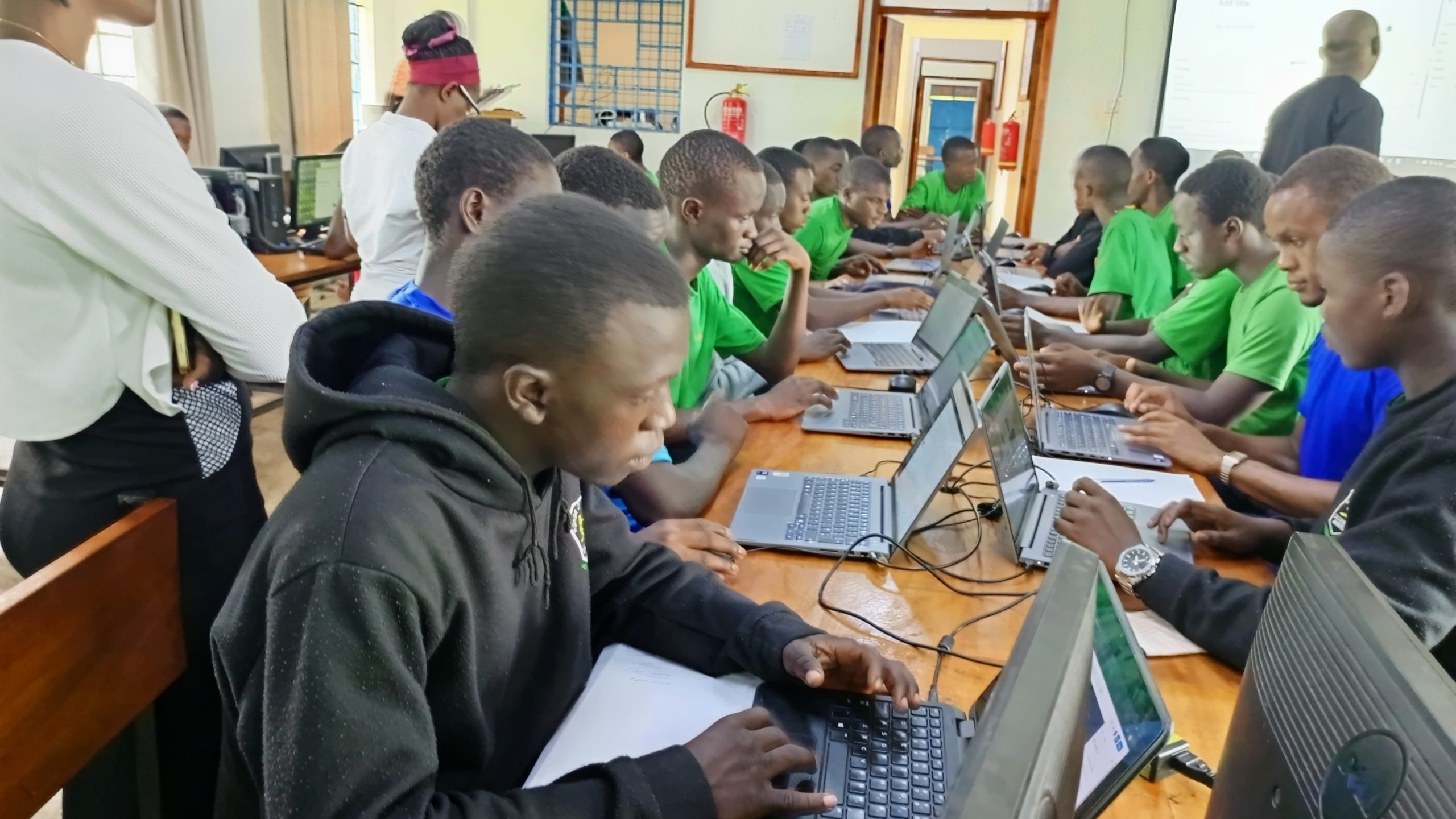
Sharebility Uganda Limited, in partnership with Edify Uganda, successfully concluded a landmark EdTech Foundation Training programme delivered to 500 schools across Uganda between January and April 2026, marking a significant milestone in efforts to integrate technology into teaching, learning, and school administration in the country.
But while the scale of the achievement is considerable, the data gathered during the training visits paints a sobering picture of the digital divide still facing Ugandan schools.
Devices are scarce, labs even scarcer
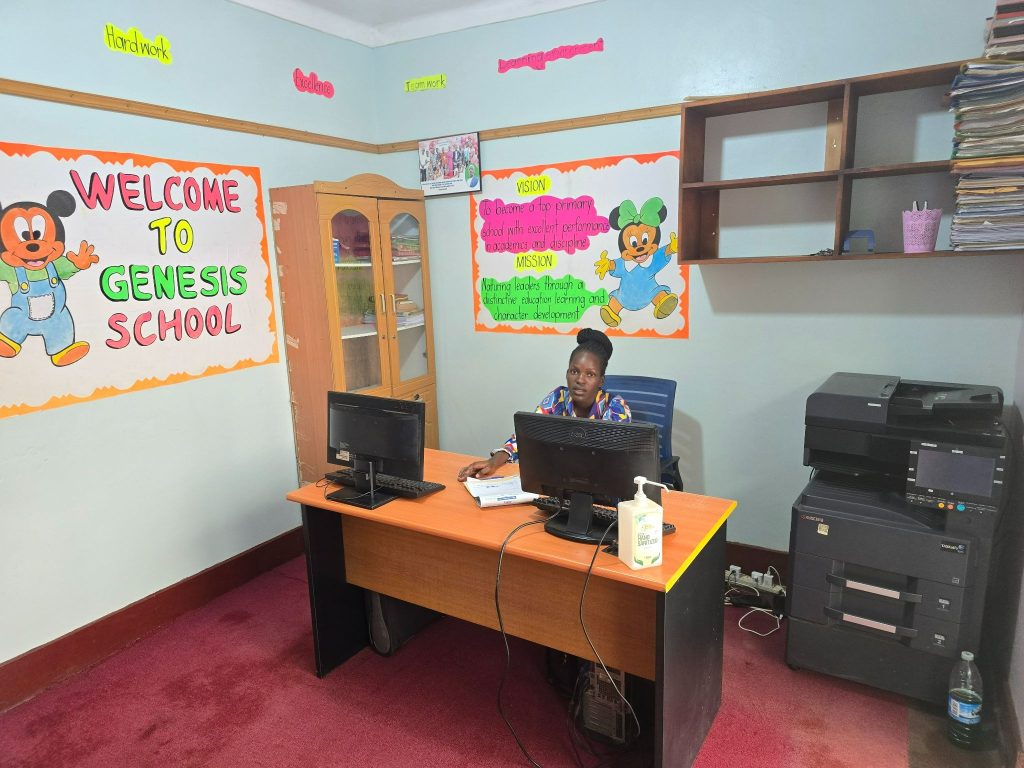
The most striking finding from the programme is the acute shortage of ICT equipment across all regions. The average school visited had fewer than 2 desktop computers, fewer than 1 laptop, and virtually no tablets or projectors.
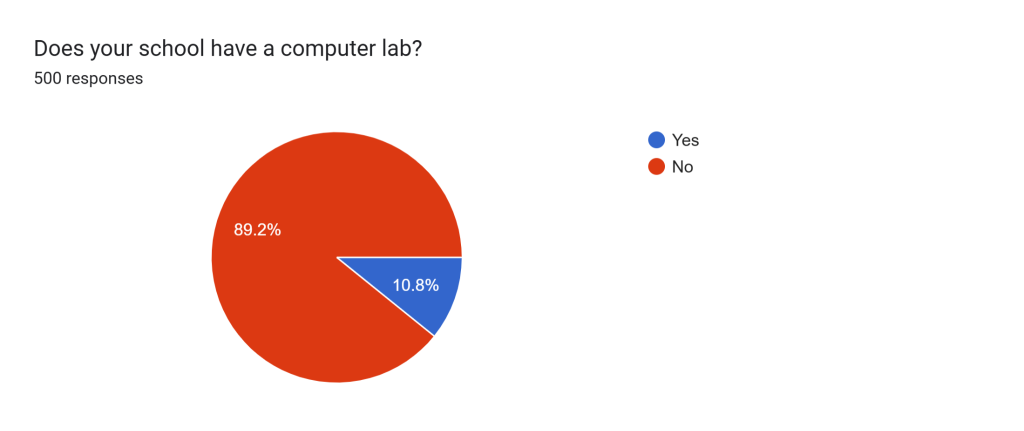
Of the 500 schools assessed, only 54, just 10.8%, reported having a functional computer lab. And even among those, the reality was often grim: many labs had very few working devices, no internet connectivity, no maintenance support, and were used primarily for administrative tasks or examination preparation rather than regular student instruction.
“Without deliberate investment in infrastructure, foundational training alone cannot translate into meaningful ICT integration,” the report warns.
Student innovation clubs are rare, projects are rarer still
Beyond hardware, the assessment found that structures for nurturing student-driven digital innovation are almost absent. Only 41 schools, 8.2% of those trained, reported having an active EdTech or ICT club. A further 23 schools were unsure. The remaining 436, representing 87.2% of all schools in the programme, had no club of any kind.
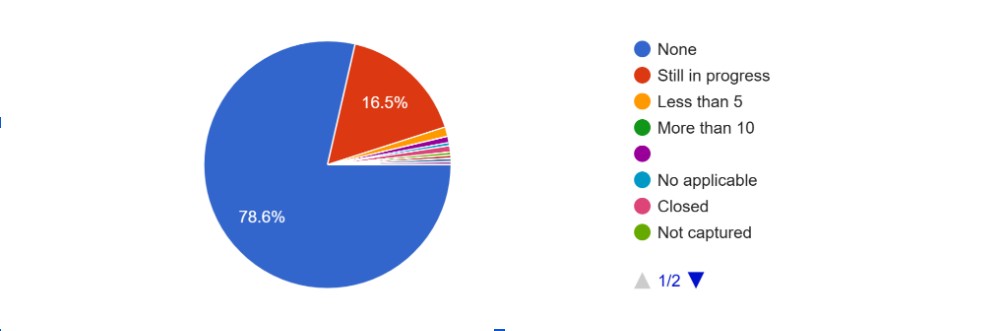
Even among the schools with active clubs, the picture was underwhelming. The majority, 78.6%, reported no completed student projects. Only a handful had projects in progress or completed, reflecting what the report describes as “the nascent stage of student-driven innovation within most partner schools.”
Administration leads, pedagogy lags
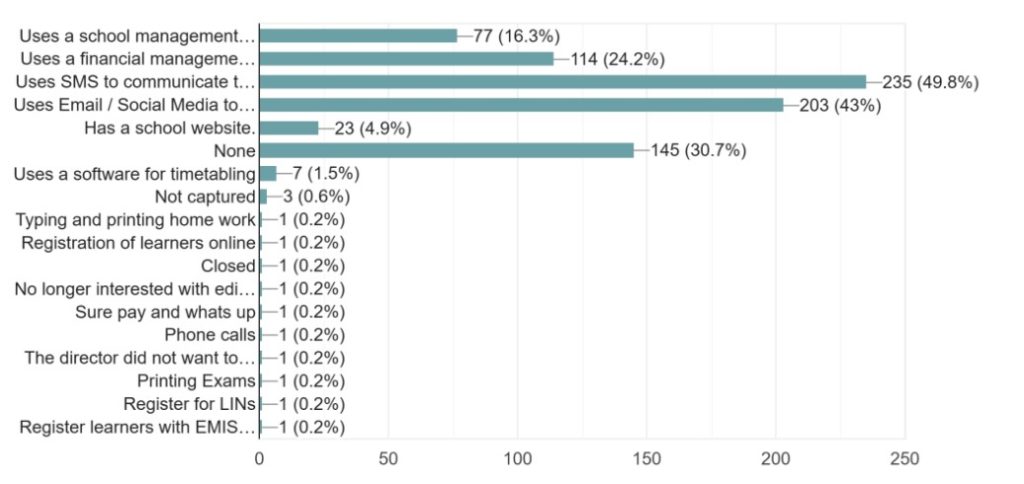
Where technology is in use, it tends to serve administration rather than learning. Approximately 39% of schools reported using some form of digital financial management system, tools like SurePay for fee collection, and many communicate with parents via SMS or email. But deeper integration remains rare.
Fewer than 25% of surveyed schools reported consistent use of digital tools to enhance lesson delivery. Among those that do, the most common practices are using smartphones to access online content (66.6%), internet research for lesson planning (55.8%), and printing learning materials (39.6%). Only 8.6% of schools use projectors or screens for classroom presentations, and just 4.4% use offline digital libraries.
A near-total absence of ICT strategic plans:
Perhaps the most telling finding concerns planning. When asked whether they had a guiding School EdTech Strategic Plan, 60% of schools said they had none at all, and a further 36.4% said one was still under development. Only 8 schools, 1.6% of the 500, reported having a fully developed and operational plan. Similarly, just 9% of schools had any form of ICT policy in place, leaving more than 90% operating without formalised digital guidelines.
“A school without a plan cannot sustain ICT integration, regardless of the devices or training provided,” the report notes, identifying strategic plan development as the most urgent policy-level intervention needed.
High loan interest
The training sessions also introduced schools to the Edify EdTech Loans arrangement and the edtechloans.com Digital Marketplace. Of the 500 schools, 175 (35%) expressed definite interest, and a further 100 (20%) said they might consider it, meaning 55% showed at least some openness. Seventy-three schools went as far as completing an invoice on the Digital Marketplace during the visit itself.
But financial concerns dominated school feedback. High interest rates, rigid collateral requirements, and repayment schedules that do not align with school term cycles were repeatedly cited as deterrents. The frustration was perhaps best captured in a question asked by one school administrator: “How shall we utilise the knowledge acquired when we don’t have gadgets?”

Schools are hungry, not indifferent
Across the 500 schools, feedback crystallised around five themes. The need for ICT devices topped the list with 260 mentions (52%), followed by requests for more teacher training and capacity building (204 mentions, 40.8%), and expressions of appreciation for Edify’s work (171 mentions, 34.2%). Financial and loan concerns accounted for 96 mentions (19.2%), while infrastructure and connectivity challenges, unreliable electricity, no internet were raised by 45 schools (9%).
The report is clear that this is not a story of apathy. “The most common refrain heard in school after school was not reluctance, but hunger,” it concludes, hunger for devices, training, policy support, and a long-term partner.
What comes next
Sharebility’s recommendations for the next phase of the programme are specific and action-oriented. They include facilitating structured EdTech Strategic Plan development workshops at district or cluster level; advocating with lending partners for term-aligned, tiered loan products starting as low as UGX 500,000; launching a national EdTech Club Formation Drive complete with starter kits and an annual national student challenge; and deepening digital pedagogy through follow-up training on offline tools and AI-assisted instruction, citing tools including Khan Academy Lite, Kolibri, and platforms like Claude and Canva AI.
“Together, we can expand and deepen Christ-centred education across Uganda and beyond,” the report concludes, a reminder that behind the data, the spreadsheets, and the policy recommendations, this programme is ultimately about children and what they are given the chance to become.