Technology is reshaping the future of education, work and society. For young people growing up in an increasingly digital world, having access to technology is important—but knowing how to use it creatively, responsibly and purposefully is even more important.
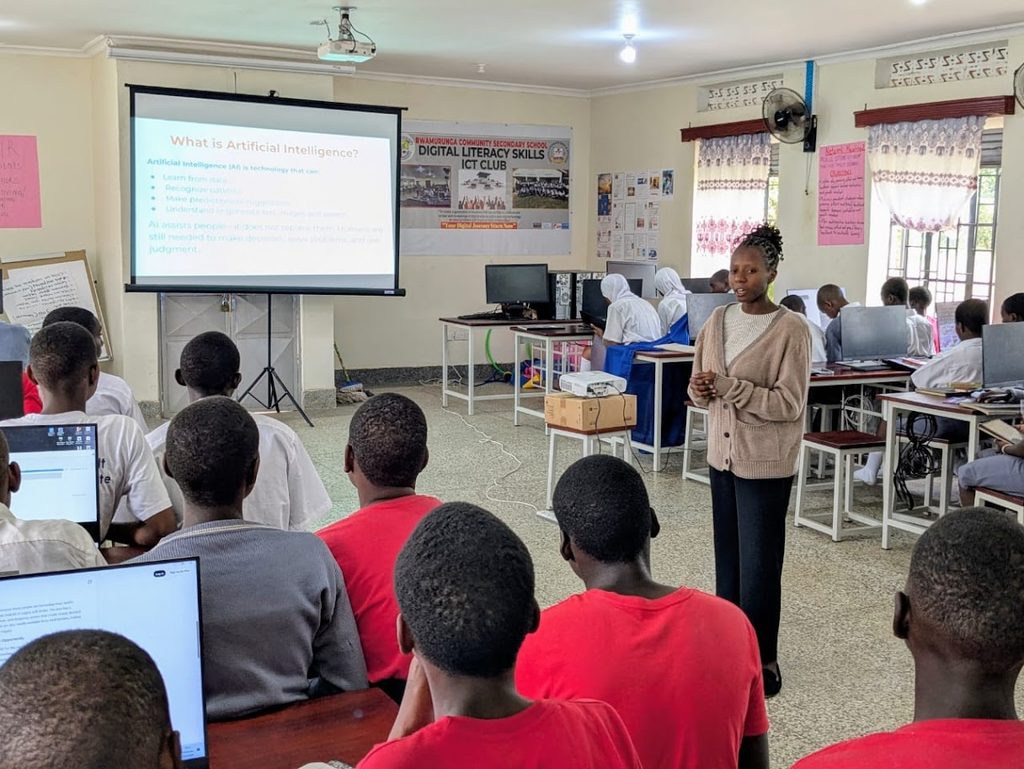
At Sharebility Uganda, we believe that students should not only be consumers of technology. They should also have opportunities to become creators, problem-solvers and innovators.
This belief has continued to shape Sharebility’s work with schools across Uganda. Through our student EdTech skilling programme, implemented in partnership with Edify Uganda, learners in 154 schools were given opportunities to explore digital technologies, develop practical skills and begin transforming their ideas into technology-enabled solutions.
From using technology to creating with technology
The student skilling programme was designed around a simple but powerful idea; give learners practical opportunities to discover what they can create with technology.
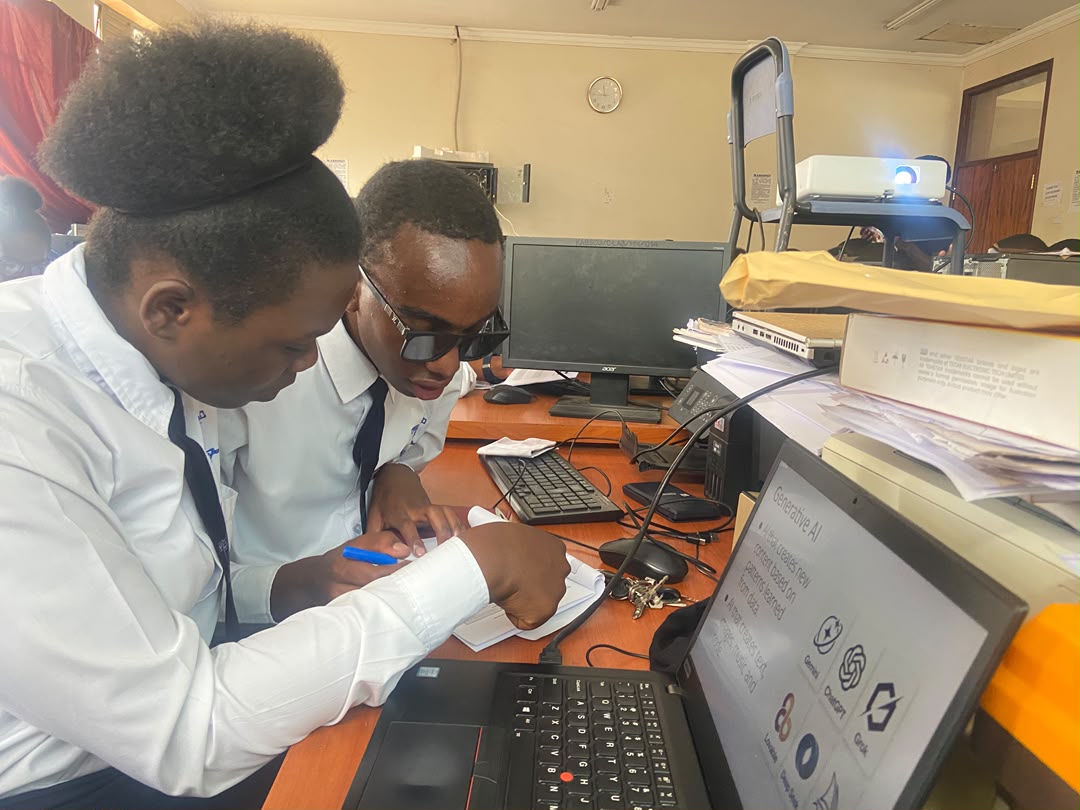
Rather than limiting the learning experience to theoretical instruction, Sharebility facilitators conducted practical, school-based mentorship sessions where learners were encouraged to identify challenges within their schools and communities and think about how technology could help address them.
The approach combined digital skills, creativity, problem-solving, collaboration and communication, while encouraging learners to connect their ideas with Christian values and the Sustainable Development Goals.
This project-based approach allowed students to move from simply asking “What can technology do?” to exploring the more meaningful question: “What can I create with technology to make a difference?”
Building a culture of student innovation through EdTech Clubs
An important part of the programme was introducing and strengthening school-based EdTech Clubs.
These clubs provide learners with a space where they can continue exploring technology beyond the normal classroom environment. They can experiment with ideas, work together on projects, develop digital skills and learn from one another.
Students were introduced to the role of EdTech Clubs in developing creativity, critical thinking, teamwork, digital citizenship and interest in ICT-related careers. Schools were also guided on club organisation, leadership, activity planning, project documentation and ways of sustaining club activities.
This approach recognises that meaningful digital learning does not have to end when a training session ends. With the right support, a school-based club can become a continuing space for creativity and innovation.
Developing practical digital skills
The breadth of skills introduced through the programme reflects the diverse ways in which technology can be used creatively.
In digital content creation, learners explored tools such as Canva, PowerPoint, Adobe Express and CapCut, using them to create educational graphics, presentations, animations and videos.
Students interested in coding and application development were introduced to beginner-friendly platforms such as Scratch and MIT App Inventor, giving them an opportunity to explore programming concepts and begin developing their own digital applications.
For learners interested in web development, the training introduced technologies and platforms including WordPress, Google Sites, HTML and CSS.
Students participating in STEM-focused projects were also introduced to areas such as robotics and engineering through platforms including Micro:bit, Arduino, LEGO WeDo, Raspberry Pi, MakeCode and Tinkercad Circuits.
These experiences expose learners to different pathways within technology and allow them to discover areas that match their interests and talents.
Learning to solve real problems
The programme went beyond teaching students how to operate digital tools.
Learners were encouraged to think about problems, solutions and impact.
Through mentorship, students were guided to identify real-world challenges, develop project ideas, select appropriate technologies and think about how their solutions could benefit their schools or communities.
This is an important part of digital education because technical skills become more valuable when learners know how to apply them to real situations.
A student who learns coding can eventually create an application.
A learner interested in digital media can create educational content.
A student fascinated by robotics can explore ways of using technology to address practical challenges.
The goal is to help young people see technology as a tool for creativity, innovation and service.
Building confidence to communicate ideas
Innovation is not only about developing a good idea. Young innovators also need to be able to explain their ideas to others.
For this reason, the mentorship included training in project presentation, storytelling, demonstration videos, presentation slides and pitching.
Learners were guided on how to explain the problem they had identified, present their proposed solution, demonstrate their projects, communicate their impact and respond confidently to questions.
These skills can benefit students far beyond a school exhibition. The ability to communicate an idea clearly is valuable in education, entrepreneurship, employment and leadership.
Students responding with enthusiasm
The response from participating learners and schools was encouraging.
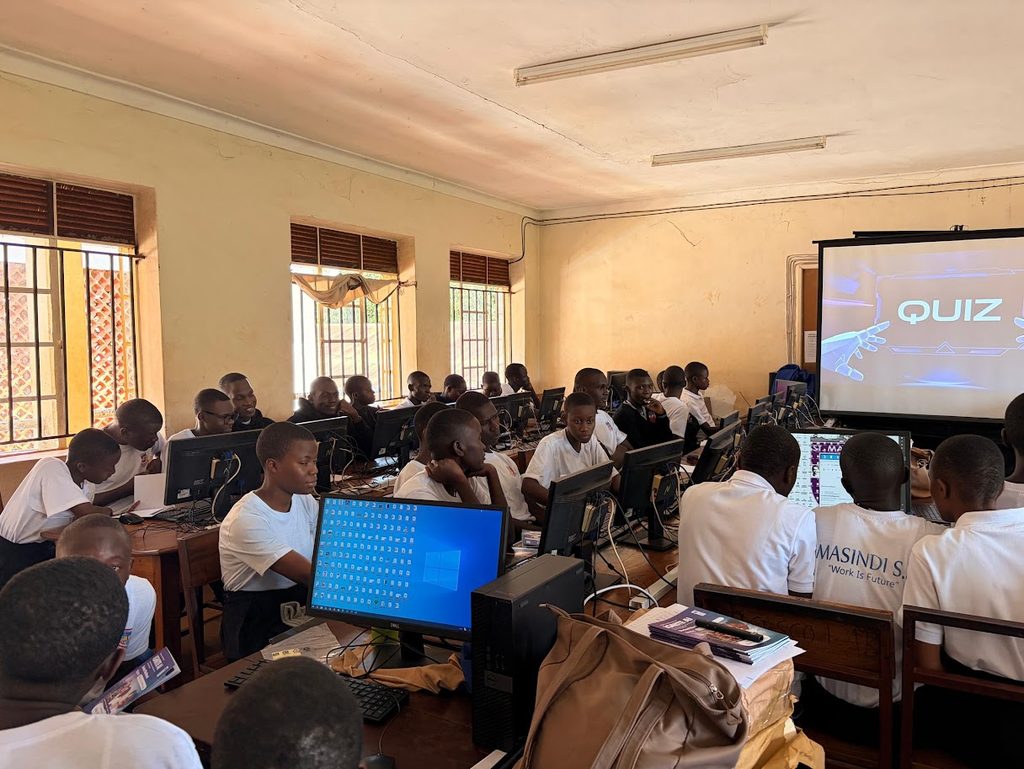
Feedback collected across the programme showed strong appreciation for the training, with participants describing the sessions as informative, engaging and skill-enhancing. Learners demonstrated enthusiasm for the practical components, while schools expressed interest in expanding opportunities for both teachers and students to participate in digital skills development.
The programme also revealed an encouraging appetite among learners to continue working on projects after the formal training sessions. In several schools, ICT clubs were already active and motivated, while some learners expressed plans to continue developing projects they had started during the programme.
Nurturing the innovators Uganda needs
Uganda’s future will require young people who can think creatively, adapt to new technologies and use digital tools to solve problems.
This is why student skilling is an important part of Sharebility’s broader contribution to education.
The purpose is not simply to teach students how to use a particular application or device. It is to help them develop a mindset of curiosity, creativity, collaboration and problem-solving.
Through practical exposure to coding, digital content creation, web development, robotics, STEM and digital communication, learners begin to see possibilities that may not have been visible to them before.
For some, a school ICT club may be the beginning of an interest in software development. For another learner, it may spark an interest in engineering, digital design, multimedia production or entrepreneurship.
Every opportunity to explore can become the beginning of a new journey.
Making digital learning more inclusive
Sharebility’s work recognises that Uganda’s schools operate in very different circumstances.
Some have access to computer laboratories and stronger connectivity, while others have more limited resources. This makes practical and context-sensitive digital skilling particularly important.
The programme demonstrated that learners are eager to engage with technology when they are given meaningful opportunities to learn and create. At the same time, feedback from schools highlighted the continuing need for access to computers, internet connectivity and other digital resources that can help students put their skills into practice.
This reinforces Sharebility’s commitment to promoting digital skills development alongside the broader ecosystem needed to sustain digital learning.
A continuing journey of digital skills development
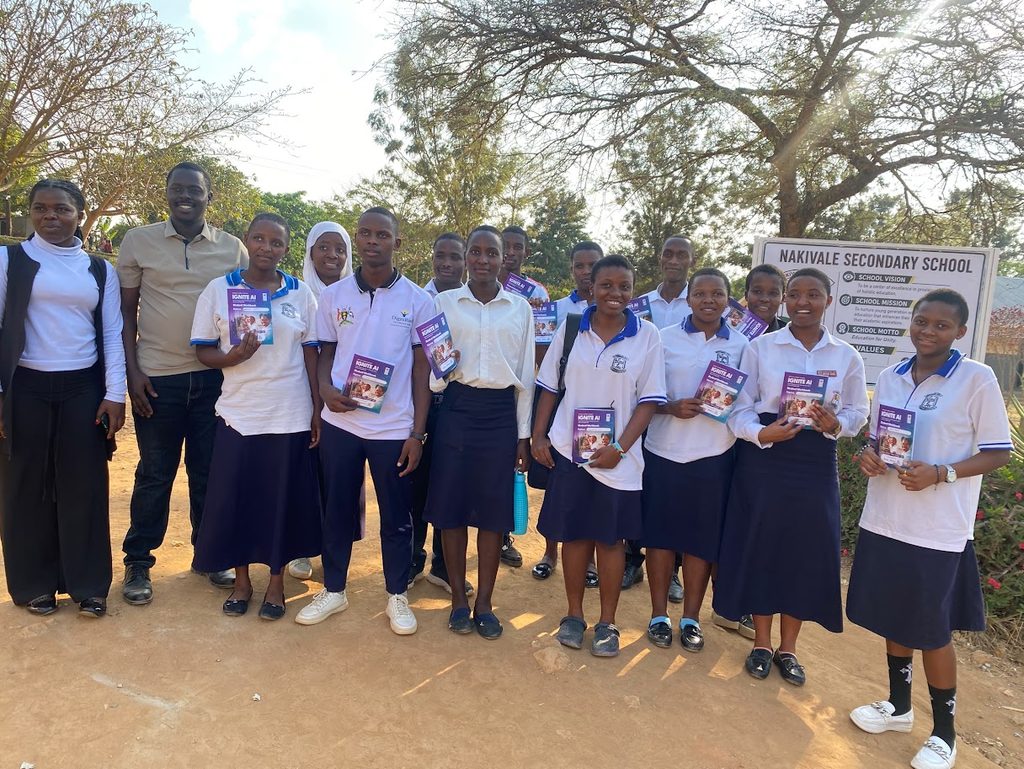
The student skilling programme is part of Sharebility Uganda’s broader commitment to strengthening digital education and preparing young people for a technology-driven future.
Our work with schools continues to connect digital skills, creativity, practical learning and innovation, while creating opportunities for students to discover their potential.
The establishment and strengthening of EdTech Clubs is particularly important because it creates a pathway for continued learning. The training may introduce a learner to coding, digital design, robotics or web development, but a thriving school club can provide the space to keep practising, experimenting and creating.
This is how digital skills can gradually become part of a school’s culture.
Looking to the future
The young people participating in these programmes are growing up in a world where digital skills will increasingly influence education, employment, entrepreneurship and social development.
They deserve opportunities not only to access technology but to understand it, question it, create with it and use it responsibly.
At Sharebility, we are proud to contribute to that journey.
Through our work with schools and partners, we continue to create opportunities for learners to discover technology as a tool for learning, creativity, innovation and positive impact.
Equip today’s learners with the skills and confidence to become tomorrow’s innovators.
As more schools embrace EdTech Clubs and practical digital learning, we look forward to seeing the ideas, projects and solutions that Uganda’s young innovators will bring to life.
The future is digital. Let us equip our young people to create it.
Discover more about Sharebility Uganda’s EdTech programmes and initiatives at Sharebility.org.